Automotive glass, is an integeral functional part of the automobile.
The windshield not only prevents atrocious weather, it and also
ensures driving safety! Therefore, high-quality automobile glass is
particularly important to the integretity of the vehicle. The
manufacturing processes automotive glass goes through will be
classified in following:  The first process:
Monitor the Quality of Raw Materials A piece of
high-quality automotive glass is directly associated with the raw
material-float glass. Fuyao Group currently has 11 float glass
production lines, each of which is equipped with on-line inspection
equipment. This process can inspect most common float glass quality
defects, such as bubbles, stones, nodules etc. This ensures the glass
quality is monitored before moving to the second process. If the
quality standard is not met, the glass will not be able to move to the
next process and will be immediately recycled.
The first process:
Monitor the Quality of Raw Materials A piece of
high-quality automotive glass is directly associated with the raw
material-float glass. Fuyao Group currently has 11 float glass
production lines, each of which is equipped with on-line inspection
equipment. This process can inspect most common float glass quality
defects, such as bubbles, stones, nodules etc. This ensures the glass
quality is monitored before moving to the second process. If the
quality standard is not met, the glass will not be able to move to the
next process and will be immediately recycled.
The second process:
Production Process Control A piece of high-quality
automotive glass has to pass many tests and be checked several times
during the production process. For example, the glass will be
inspected in the deferent stages, including appearance, size and so
on. For key projects, the factory will also conduct random
inspections. These manual inspections check for obvious defects in
appearance, using inspection tools to inspect glass, and testing the
stress, resistance and optical properties of glass. 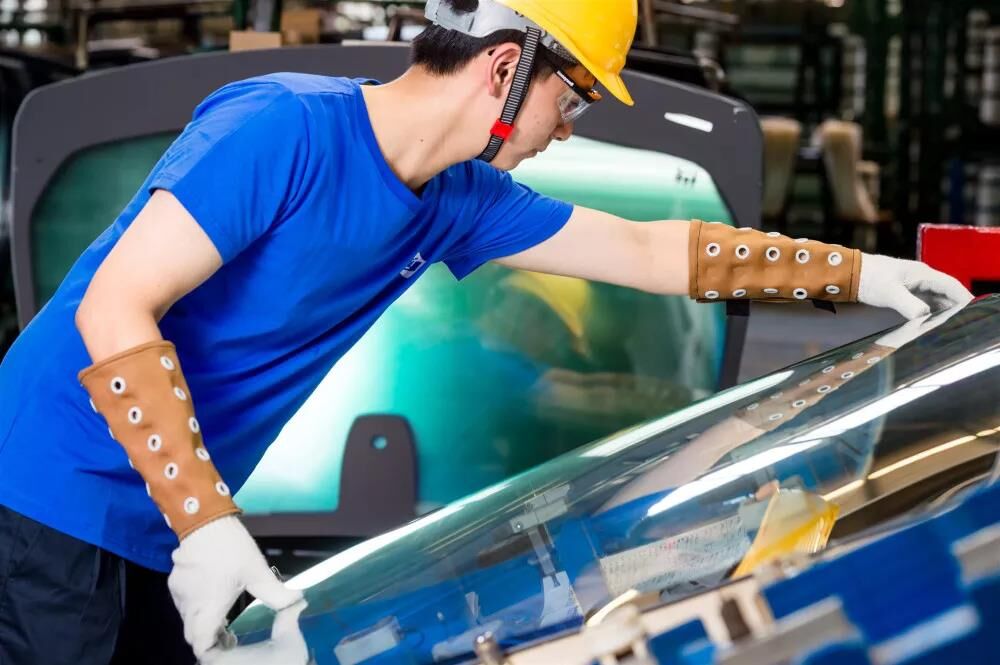
The third process:
Performance Test Finished glass needs to pass rigorous laboratory tests before delivery.
Mechanical Test: A mechanical testing evaluates the impact resistance and structural performance of automotive glass. The following experiment simulates the forces exerted on a vehicle’s windshield during a severe collision.
Glass Meeting Safety Standards:
Upon impact, the laminated
glass and the intermediate film (PVB interlayer) must remain bonded to
to retain broken glass fragments, preventing the, from splintering and
reducing the risk of injury to the driver and passengers.
During a
collision, the windshield must fracture in a controlled manner absorb
the impact energy and help reduce head injuries. At the same time, it
must remain intact without being penetrated, preventing occupant
ejection and minimizing secondary injuries caused by flying objects or
broken glass..
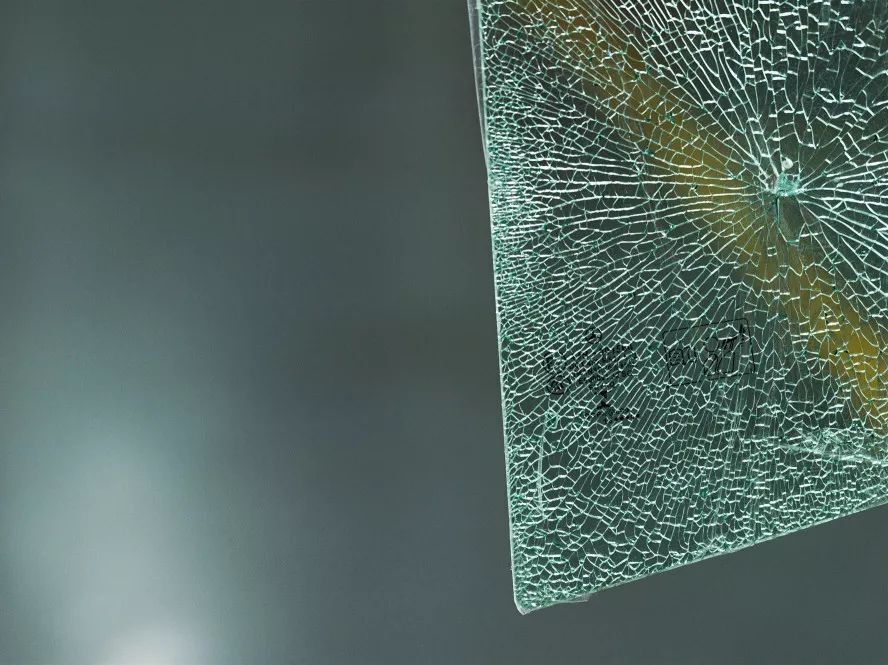
When tempered glass is broken, the number of
fragments in any square of 50mm*50mm must be more than than 40 pieces
and fewer than 400 pieces. This controlled fragmentation produces
small, relatively blunt particles that reduce the likelihood of
serious injury compared with larger or excessively fine fragments..
Salt Spray Test: High temperature and humidity in coastal areas is a particular challenge for the service life of metal materials such as pins and mirror brackets on automotive glass. Salt spray test is carried out at 35℃, and high concentration brine (5% sodium chloride brine) solution is used to simulate the extreme environment of high temperature and high humidity to observe the corrosion state of metal parts on automotive glass.
Defrost Experiment: In regions where there is frost and freezing in winter, affect driving safety. Defrost testing mainly tests the defrosting function of automotive glass in cold weather. Through the power-on test, the defrosting effects achieved within the specified time can be visually observed.
Optical Inspection: Automotive glass requires good
optical performance to ensure good visibility for drivers. Optical
inspection can judge whether the optical performance is qualified by
simulating the deformation of objects outside the window when a car is
running. Deformation will cause the circle image to become oval and
the straight line to become wavy.  The inspection items of
automotive glass are far more in depth than those mentioned above, and
various inspection methods are continuously adopted. The ultimate
goal of all inspections is to assure quality and contribute to safe driving.
The inspection items of
automotive glass are far more in depth than those mentioned above, and
various inspection methods are continuously adopted. The ultimate
goal of all inspections is to assure quality and contribute to safe driving.