 May 9, 2019 -- Toronto,
Ontario
--
In 1904,
the
first
windshields—at least as we would recognize
them—began
to
appear on
vehicles. While internal
combustion
engine-powered automobiles had existed for
about
twenty
years by
the time of this innovation,
earlier
motorists
had
not been terribly concerned about
wind
protection.
Older automobiles were not able to travel
quickly
enough
for the
wind to be troublesome for drivers
and
passengers.
When
windshields
did
arrive,
they were, essentially, made of
window
panes,
and thus
not particularly aerodynamic. They
were
also
constructed using untempered glass, making them prone
to
shattering.
History, however,
has
a
sense of
humour. It would not be too long
before
the
construction of windshields was entirely changed
as
a
result of one
man’s misfortune. That man was
the
appropriately named William
Pane.
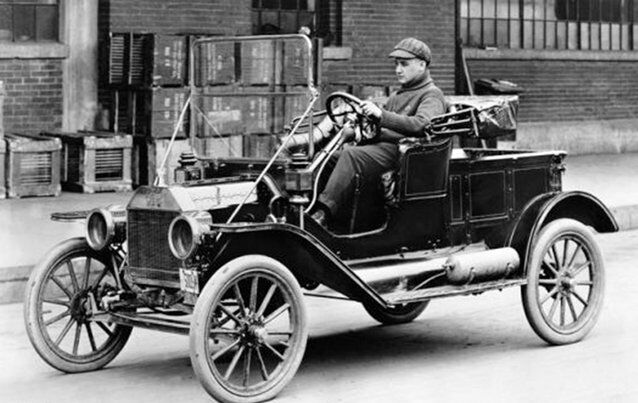
In 1917, Pane
sued
Ford
after he
was injured by the shards of the
windshield
in
his Model T
Ford. While the lawsuit was
eventually
won
by the OEM,
it did raise
concerns.
Manufacturers
quickly
changed
their approach. Rather than simple
window
glass,
OEMs
began heat treating them to turn
them
into
toughened
glass. In order to prevent any shocks
to
send
vibrations
through the windshields, a
rubberized
seal
was added
between the glass and the
frame.
By 1919, Ford
adopted
a
new
technology to prevent shards from
causing
drivers
and
passengers injuries—glass lamination. By
adding
a
thin sheet of
clear plastic between two layers
of
glass,
Ford
ensured its windshields would shatter into
harmless
chunks.
In the
1930s,
many
manufacturers became increasingly conscious
of
the
streamlined
designs of aeroplanes. In order
to
decrease
wind
resistance, some vehicles actually
adopted
a
two-pane
windshield, with both halves angled
out
towards
the
front of the
vehicle.
With the end of
World
War
II,
techniques for making the rounded glass
in
aeroplane
cockpits began to be used in consumer vehicles.
By
the
mid-1950s,
aerodynamically curved glass became
the
norm
for
automobiles. Glass-curving is
accomplished
during
the
toughening stage of the manufacturing
process,
with
both
layers of glass, one on top of the other,
heated
to
the point
that they sag into
molds.
By the 1970s,
the
public
became
more aware of the dangers posed by
bodies
flying
through
windshields during traffic
accidents,
causing
OEMs to
invest in ways to make windshields
less
easily
punctured. The answer was to change the
plastic
used
between
the layers of glass. Since
then,
polyvinyl
butyral has served as the inner layer of
windshield
glasses.
By the early
1990s,
the
struggling
American auto industry began
to
redesign
their
vehicles in order to make them more
appealing
to
domestic
consumers. One choice made was to
increase
the
curvature
of the glass used in vehicles.
While
initially
seen
as a response to consumer tastes,
the
aerodynamic
benefits of these smoother shapes served to improve
gas
mileage.
In the 2000s, as
more
and
more
consumers became interested in gas
mileage,
OEMs
began to
incorporate more smooth glass and less
metal
in
their
vehicles.
May 9, 2019 -- Toronto,
Ontario
--
In 1904,
the
first
windshields—at least as we would recognize
them—began
to
appear on
vehicles. While internal
combustion
engine-powered automobiles had existed for
about
twenty
years by
the time of this innovation,
earlier
motorists
had
not been terribly concerned about
wind
protection.
Older automobiles were not able to travel
quickly
enough
for the
wind to be troublesome for drivers
and
passengers.
When
windshields
did
arrive,
they were, essentially, made of
window
panes,
and thus
not particularly aerodynamic. They
were
also
constructed using untempered glass, making them prone
to
shattering.
History, however,
has
a
sense of
humour. It would not be too long
before
the
construction of windshields was entirely changed
as
a
result of one
man’s misfortune. That man was
the
appropriately named William
Pane.
In 1917, Pane
sued
Ford
after he
was injured by the shards of the
windshield
in
his Model T
Ford. While the lawsuit was
eventually
won
by the OEM,
it did raise
concerns.
Manufacturers
quickly
changed
their approach. Rather than simple
window
glass,
OEMs
began heat treating them to turn
them
into
toughened
glass. In order to prevent any shocks
to
send
vibrations
through the windshields, a
rubberized
seal
was added
between the glass and the
frame.
By 1919, Ford
adopted
a
new
technology to prevent shards from
causing
drivers
and
passengers injuries—glass lamination. By
adding
a
thin sheet of
clear plastic between two layers
of
glass,
Ford
ensured its windshields would shatter into
harmless
chunks.
In the
1930s,
many
manufacturers became increasingly conscious
of
the
streamlined
designs of aeroplanes. In order
to
decrease
wind
resistance, some vehicles actually
adopted
a
two-pane
windshield, with both halves angled
out
towards
the
front of the
vehicle.
With the end of
World
War
II,
techniques for making the rounded glass
in
aeroplane
cockpits began to be used in consumer vehicles.
By
the
mid-1950s,
aerodynamically curved glass became
the
norm
for
automobiles. Glass-curving is
accomplished
during
the
toughening stage of the manufacturing
process,
with
both
layers of glass, one on top of the other,
heated
to
the point
that they sag into
molds.
By the 1970s,
the
public
became
more aware of the dangers posed by
bodies
flying
through
windshields during traffic
accidents,
causing
OEMs to
invest in ways to make windshields
less
easily
punctured. The answer was to change the
plastic
used
between
the layers of glass. Since
then,
polyvinyl
butyral has served as the inner layer of
windshield
glasses.
By the early
1990s,
the
struggling
American auto industry began
to
redesign
their
vehicles in order to make them more
appealing
to
domestic
consumers. One choice made was to
increase
the
curvature
of the glass used in vehicles.
While
initially
seen
as a response to consumer tastes,
the
aerodynamic
benefits of these smoother shapes served to improve
gas
mileage.
In the 2000s, as
more
and
more
consumers became interested in gas
mileage,
OEMs
began to
incorporate more smooth glass and less
metal
in
their
vehicles.