The article is reposted from: Jayee Sapatnekar ,2023,The emergence of next-generation ADAS technologies to establish automotive AI, https://www.gearbrain.com/emergence-adas-technologies-automotive-ai-2659972259.html
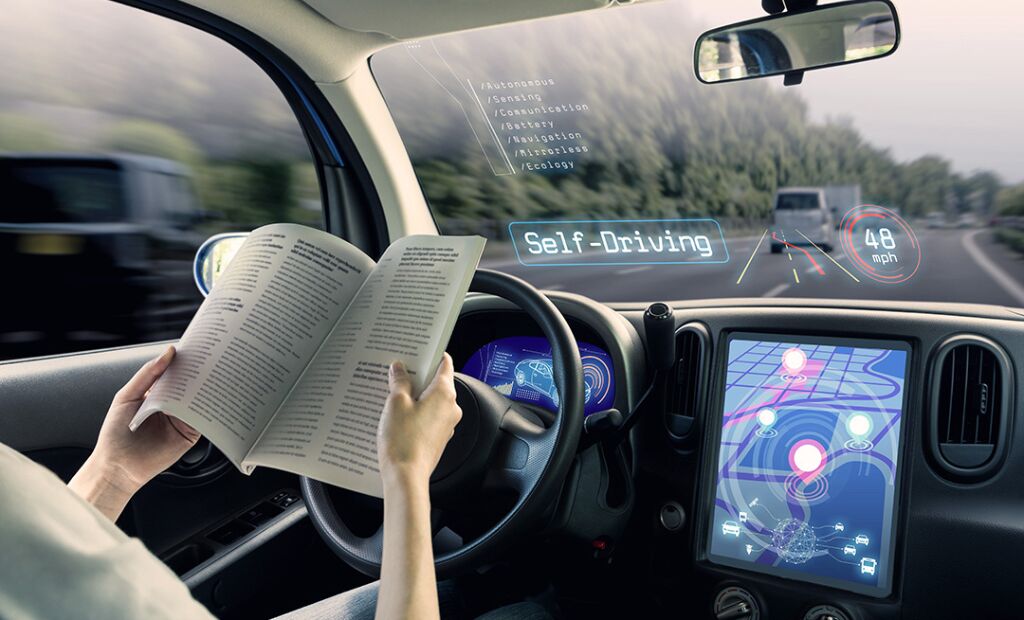
Automotive artificial intelligence (AI) is transforming the space of mobility with myriad truly novel solutions for driverless vehicles and Advanced driver assistance systems (ADAS) will play a crucial role too.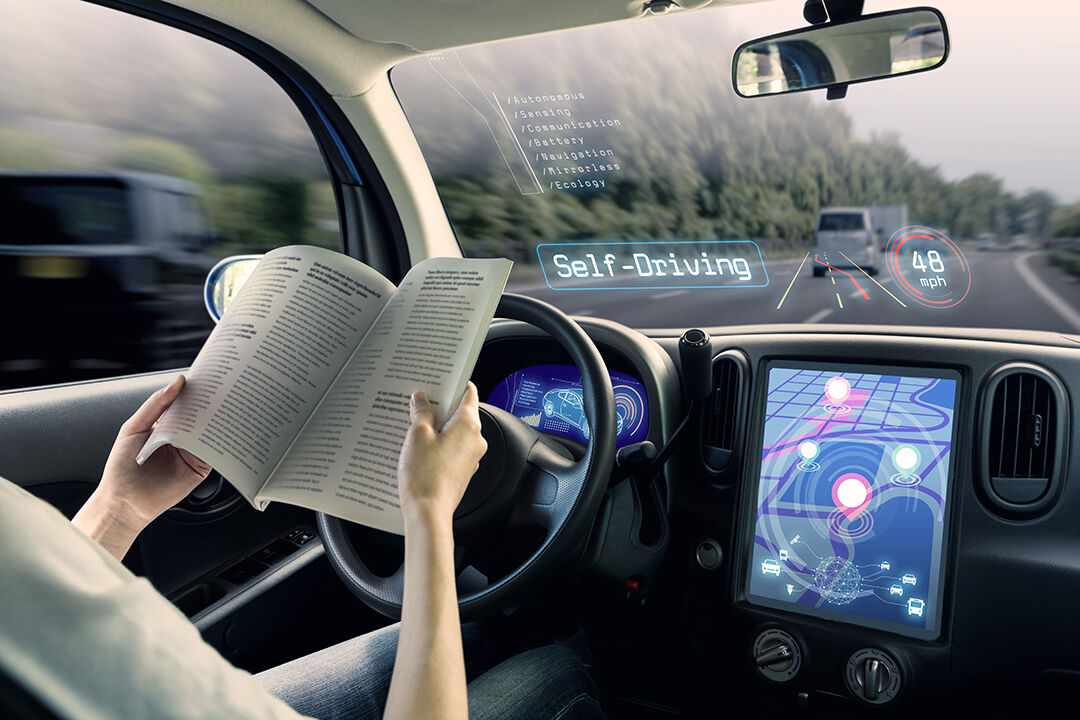

Some of the critical features of ADAS enticing consumers to integrate automotive AI:
ADAS provides users access to features such as automated lighting, adaptive cruise control, and pedestrian crash avoidance mitigation (PCAM).
Advanced driver assistance systems can quell concerns about fuel expenses as autonomous vehicles embedded with these systems can help reduce fuel consumption by up to 15%.
ADAS
also helps avoid hefty
maintenance costs as it can prevent the risk of accidents
and
minimize
wear
factors.
Notable developments
in
ADAS
technologies
worldwide:
1. Adaptive
Cruise
Control:
As a level
1
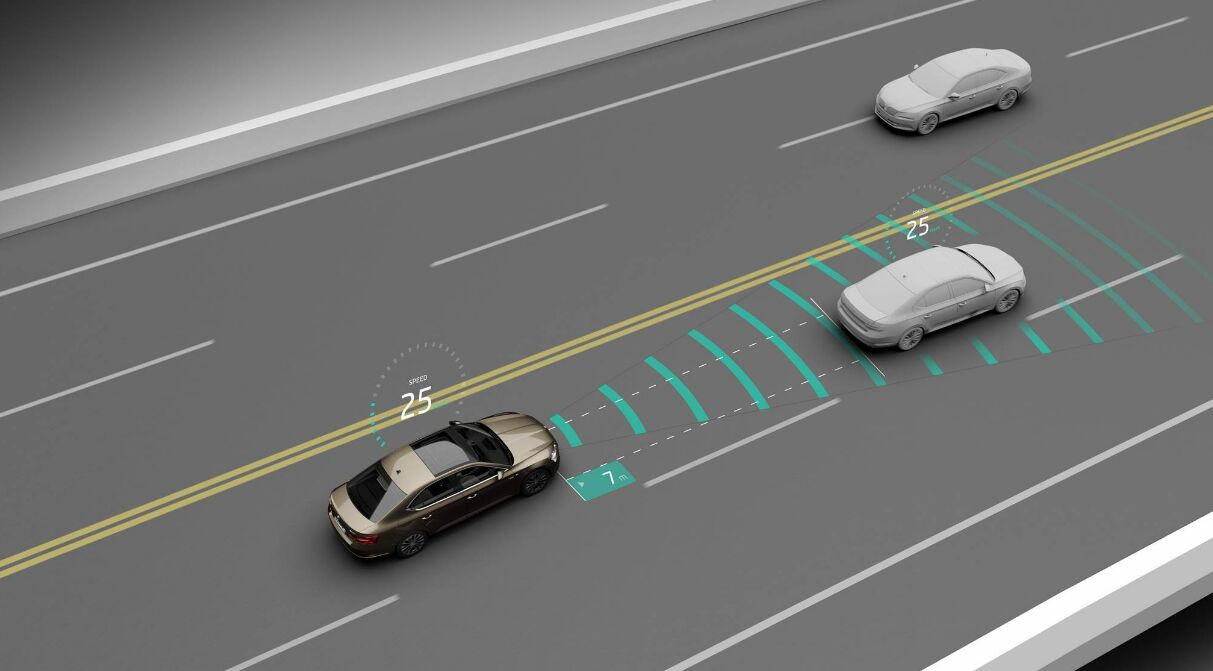
ADAS feature, adaptive
cruise control (ACC) helps
set
a maximum speed
for
automobiles with an
automatic function to
reduce
the speed
during
traffic or obstacles.
Breakthroughs are extending the functional capabilities of modern ACC systems, such as the minimal risk of collisions, vehicle spacing, less stress during long-distance travel, better comfort, and easier commute. Additionally, the advent of next-generation radar sensors enables ADAS manufacturers to improve their ACC capabilities, fueling industry development.
2. Blind Spot Detection:
Blind
spot
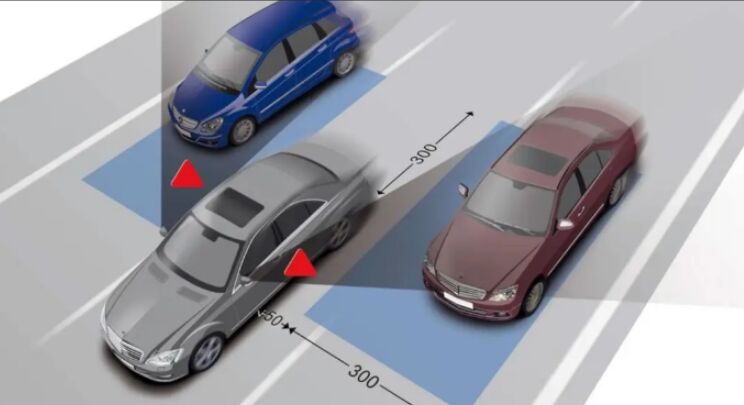
detection is another
crucial segment in the
ADAS
market, given that
it
can send alerts to warn
drivers of
impending
collisions in
blind
sport to reduce the
chances of an accident
while
changing lanes.
Leading
ADAS providers are
designing highly
advanced
blind
sport
detection tools to
strengthen ADAS.
To illustrate, in an attempt to boost autonomous driving safety, Texas Instruments launched its new AWR2944 radar sensors to enhance ADAS performance, with improved capabilities to assess blind spots, detect objects, and navigate turns and corners efficiently. With such initiatives, sensor manufacturers and ADAS experts are boosting automotive AI and paving the way for a collision-free future.
3. Automatic Emergency Braking (AEB):

As per
WHO
statistics, more than 1.3
million people succumb
to
injuries sustained in
road
accidents yearly.
Alarming statistics
such
as these necessitate
the
integration of safety
features such as AEB
in
modern automobiles.
AEB
has also emerged as a
promising ADAS
feature
in preventing
road
accidents, which has
become a common safety concern worldwide.
In February 2023, Tesla revealed its plans to introduce a novel AEB system in its latest FSD Beta, v11.3 update. The new improvements will enhance the car’s ability to detect and respond to vehicles in front and crossing its path.
Low-speed AEB, reverse AEB, full-speed AEB, and pedestrian detection are among the critical use cases of AEB technology. For instance, some AEBs can only function at lower speeds and are specifically designed to prevent collisions in parking lots or heavy city traffic scenarios. Meanwhile, full-speed AEBs are effective at highway speeds.
4. Tire Pressure Monitoring System (TPMS)
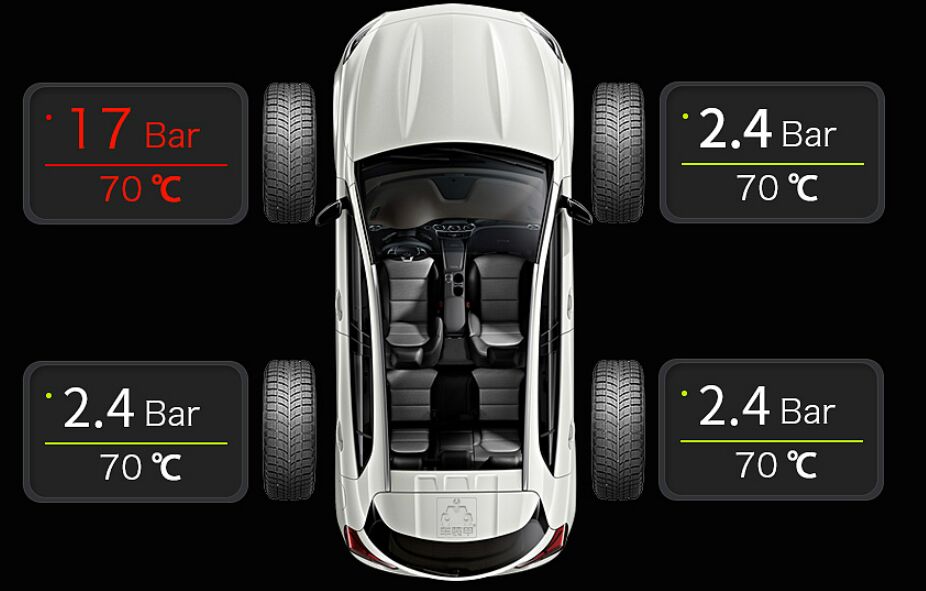
Direct
and
indirect tire pressure
monitoring systems (TPMS)
are
helping
manufacturers
ensure optimum
tire safety. Direct TPMS
provides
highly accurate
tire
pressure data in real
time, thus
ensuring
reliability.
Meanwhile,
indirect TPMS is a relatively
affordable
option since
it
eliminates the need for
pressure sensors in each
tire,
making it an
essential
feature in advanced
driver assistance systems.
The growing popularity of TPMS is also attributed to
its
ability
to extend the
shelf
life of tires, improve
fuel efficiency,
reduce
environmental
impact,
and ensure overall
vehicular safety. With
an
increasing emphasis
on
curbing the environmental
impact of
the
conventionally
energy-intensive automobile sector, the use of
TPMS
as
ADAS functionalities
is
gaining significant momentum.
In September 2022, Bosch revealed new universal
sensors,
called
the QUICK FIT
sensors,
for TPMS to measure
air pressure in the
tires
in
real-time
effectively. These
sensors feature
universal
programmability,
ensuring a
vehicle coverage of more than
90%
with
just four part numbers.
ADAS leaders are exploring other features such as
night
vision,
automatic high
beam
control, front lighting,
park assist,
driver
monitoring,
head-up
display (HUD),
forward collision warning,
traffic
sign
recognition,
lane departure
warning, and surround view
system.
The
future
of autonomous
driving will thus be centered
around
breakthroughs in
ADAS
technologies.

A wide range
of
automotive electronic
software and
hardware
systems rely
on
next-generation technology
interventions to
enhance
user
experience,
which is likely
to position ADAS as a
mainstream
automotive
technology in the
future and pave the way for a
more
reliable,
cost-effective, and
safe future for autonomous mobility.