China's vehicle parc of over 350 million units has created a huge automotive glass aftermarket, but it has also exposed a "last mile" crisis that affects the safety of hundreds of millions of drivers and passengers. The industry's chaos—plagued by counterfeit products, lack of service standards, and inefficient supply chains—is urgently calling for an establisher of order.
Chairman Cho Tak Wong issued an important directive at a semi-annual management forum: "While doing well in the Original Equipment (OE) market, we must also develop the Aftermarket (ARG), build five super centers—East, West, South, North, and Central—to improve turnover and delivery efficiency, and enhance market competitiveness". With a global vision, Fuyao is profoundly transforming from a product manufacturer into an industry ecosystem builder.
How does Fuyao break the deadlock? Its answer is to undertake a profound standardization revolution. The goal is to "break the deadlock" (po ju) and "establish order" (li xu), ultimately achieving a value co-existence with the entire industrial chain.
Using one unified coding system to end the industry's product "identity" confusion. Hosting a competition to establish professional service benchmarks. Implementing an intelligent network to reduce costs and increase efficiency in the supply chain. This is not only an innovation in business model but also a commitment to the healthy development of the industry.
Creating a unified market that is transparent, efficient, and trustworthy, along with an industry consensus on standardization and regulation, is destined to be a long and arduous process of cultivation and growth. Fuyao, however, is demonstrating resilient patience and long-term commitment, collaborating with its peers to reshape the ecosystem and secure a winning future.
Creating a Transparent Future
Unexpected incidents are the biggest fear on the road. When Xinjiang car owner Ma Jun heard a "ping" on the highway, he was startled. A flying stone had hit his front windshield, instantly causing a crack that severely impaired his driving visibility.
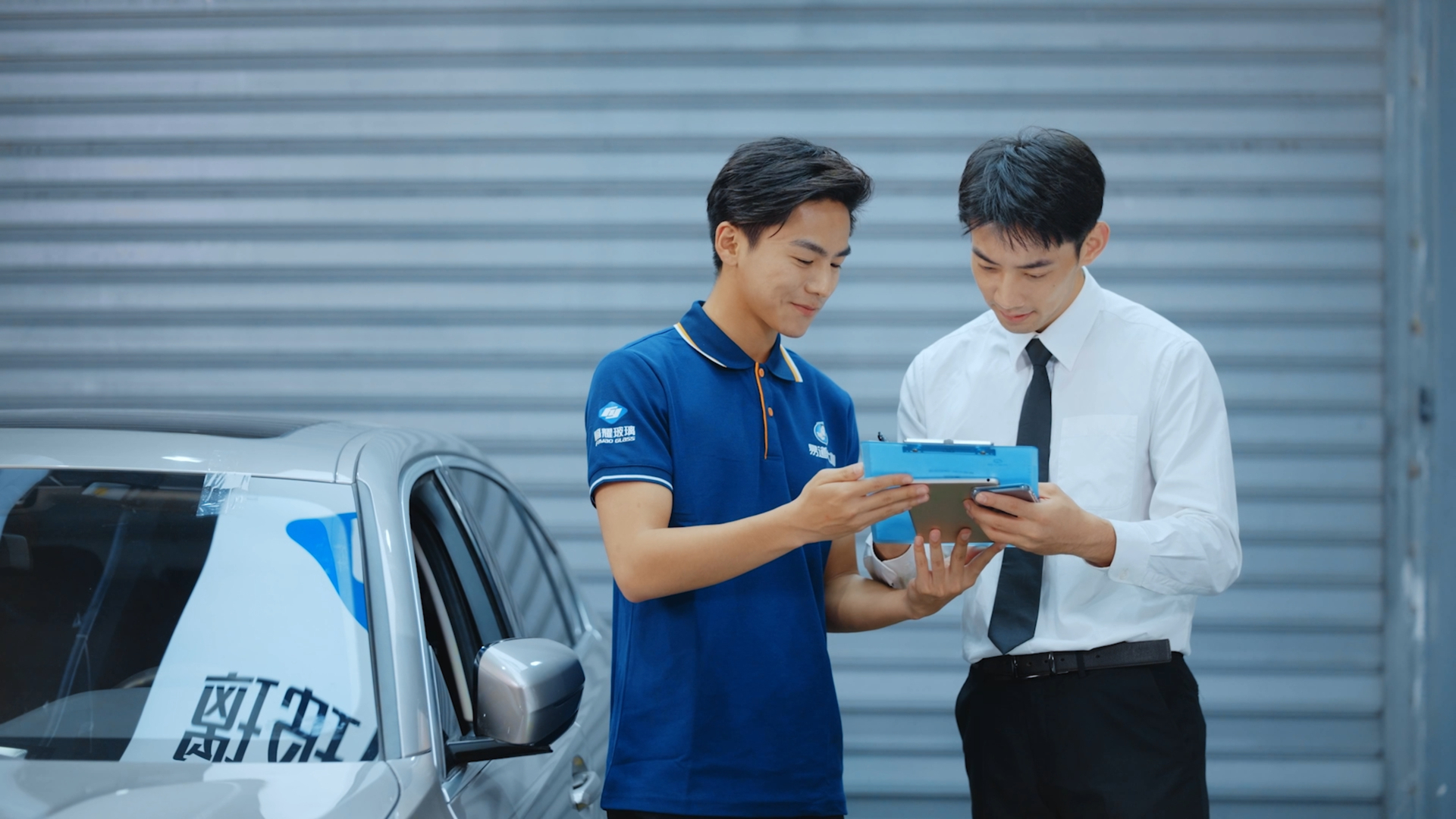
He immediately used a map app to search for a Fuyao glass replacement shop and found the nearest one: “Edows | Fuyao Authorized Flagship Store ( Rongteng Auto Glass TaiXing Road Store )”. What reassured him was that the new glass presented by the technician was "very tightly packaged and perfectly clean". The entire process—appointment and replacement—took no more than two hours, and Ma Jun was back on the road with peace of mind.
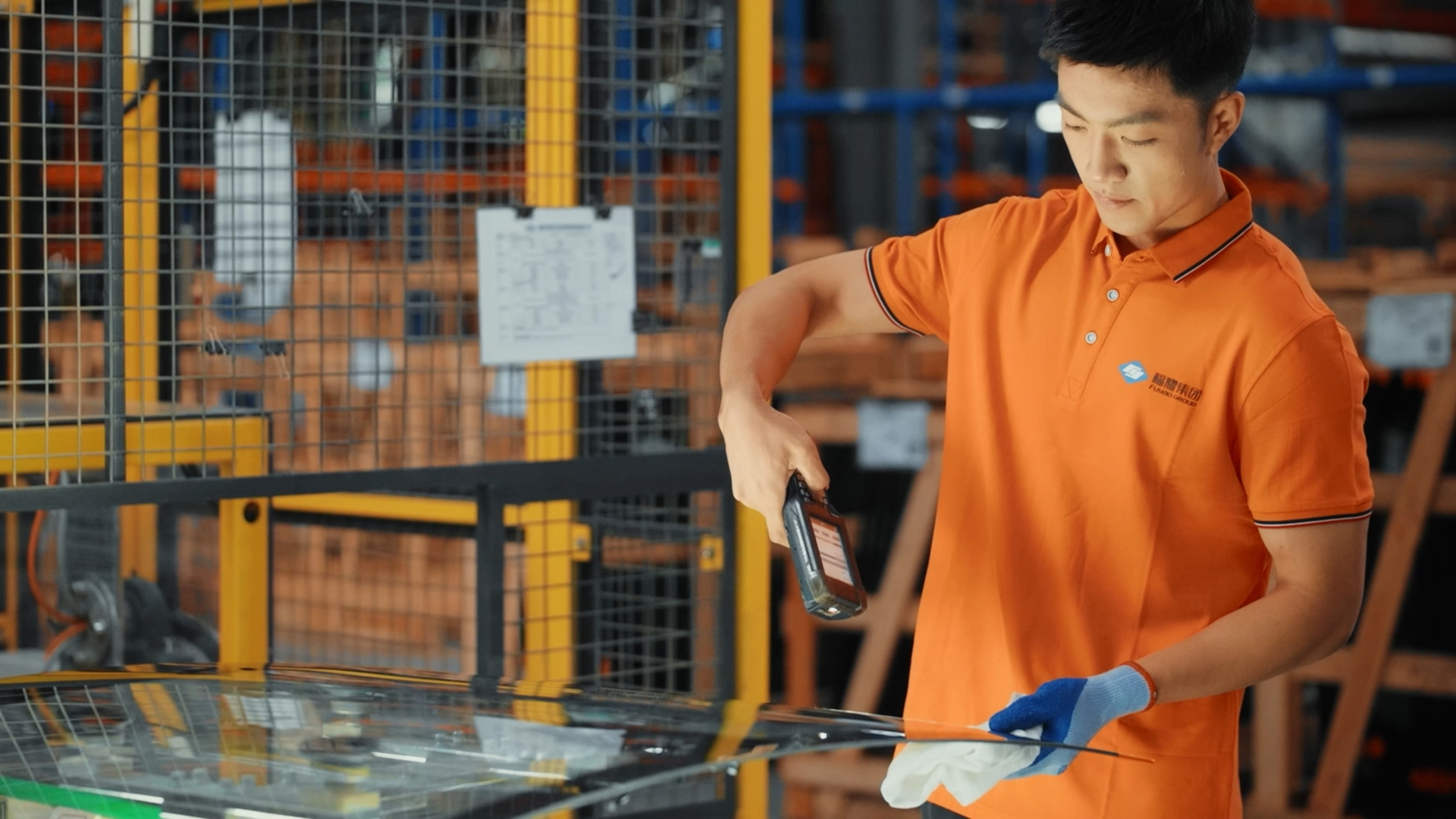
What he didn't know was that from the moment he made the call, a massive supply chain was set in orderly motion, involving glass identification, store appointment, and inventory update. Behind this efficiency is the effort by Fuyao Group, the world's largest automotive glass supplier, to improve the domestic automotive glass aftermarket.
The Industry Superhighway
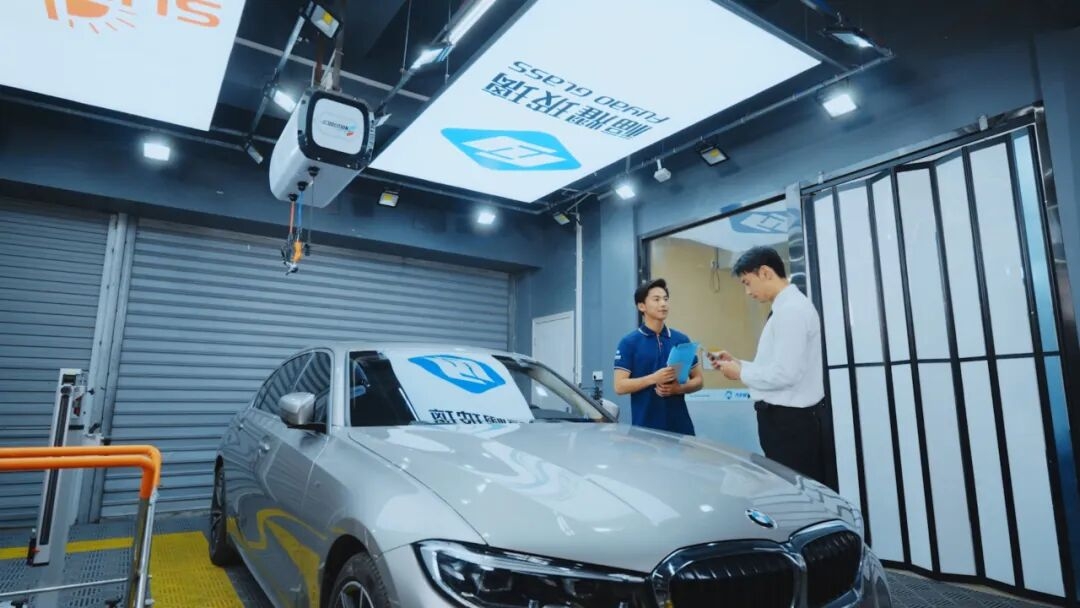
In the automotive industrial chain, glass is often a silent supporting actor. Although it is right in front of the driver, it is often overlooked, leading to a host of complex problems when an accident requires replacement or repair: Where should I go for replacement? What is the glass model number? Is the installation technique reliable? Is the glass genuine? These issues emerge one after another.
Even industry professionals may struggle to instantly identify the specific glass models for some complex vehicles. Globally, the same car model can have over ten different glass configurations. Even within the same vehicle series, such as the second, third, and fourth generations of the Toyota Highlander, the glass configurations can vary. This complexity creates a significant identification barrier for subsequent glass service.
An error in identification triggers a chain reaction: Inaccurate identification leads to incorrect fit, requiring a new glass to be called up for re-installation. For returns and re-ordering, distributors incur costs for inventory checks and transportation, and must bear the risk of potential glass damage during transit. Consumers waste valuable time driving back and forth.
The starting point of service has become the bottleneck of service. Data suggests that in the U.S. automotive glass aftermarket, consumers bear an average "hidden cost" of approximately $20 for identification errors for every successful glass installation.
Since the "identity" identification of a single piece of glass causes so much trouble, why can't it be accurately identified and installed correctly the first time?
The core problem lies in the industry's chaotic situation where coding systems are "fighting their own battles". For a long time, the coding rules of different manufacturers have been inconsistent; even within the Fuyao Group, there were differences in glass coding among various plants. The entire market lacked a unified coding standard.
In contrast, in the auto-industrialized markets of Europe and the U.S., the U.S. established the NAGS system 80 years ago, and Europe introduced the ARGIC system 30 years ago. In recent years, China's auto industry has developed rapidly, becoming the world's largest car manufacturer and having the highest number of vehicles in operation. Establishing a standardized industry coding system in such a fast-developing market is imperative and is the foundational prerequisite for moving towards internet-based and digital operations.
Fuyao is attempting to solve this chronic problem. Relying on the precise data accumulated over 35 years of market participation, Fuyao built the CARG coding data system—the first time China has its own industry coding system.
CARG Data System, where C stands for China and ARG refers to Automotive Replacement Glass. It integrates the identity information of every piece of glass and its compatible vehicle, including details such as car model, vehicle image, glass image, glass part number, glass position, color, dimensions, functional attachments, and European/American standard codes, etc. It has created "UN identification cards" for over 340 car brands and 100,000 types of glass globally.
The system's emergence completely overturned the past identification model that relied on expert experience, significantly lowering the barrier for use by distributors, stores, and consumers. The domestic CARG system has also been upgraded with an "intelligent query" function, covering data for 300 million vehicles nationwide. By simply scanning the Vehicle Identification Number (VIN), the system can lock onto the glass identity, achieving an accurate "Vehicle-Code-Glass" match and compressing the difficulty of automotive glass identification to less than one minute.
The launch of the CARG system has significantly improved supply chain efficiency and laid a solid foundation for reducing product identification error rates. Automotive glass professionals can use the CARG system for one-stop identification of genuine products, with an accuracy rate of over 95%.
"We are building a superhighway for the data standardization of the entire industry, where all vehicles travel on a unified standard road," describes Curie Chen, President of the ARG Group. The birth of the CARG system not only serves Fuyao itself but also provides the most crucial "infrastructure" support for the entire industry, insurance companies, and even the upstream and downstream digital ecosystem.
Building on this, Fuyao went a step further by adding a unique, permanent anti-counterfeit traceability code to every replacement glass. All supply chain information—from factory production to distributors, stores, and technicians—is integrated into the Fuyao digital platform. Once the glass replacement is completed, the technician sends the work order information back to the platform, and the system locks the traceability code for that piece of glass. Consequently, if a glass with the same code appears in the market again, it can be identified as a counterfeit product.
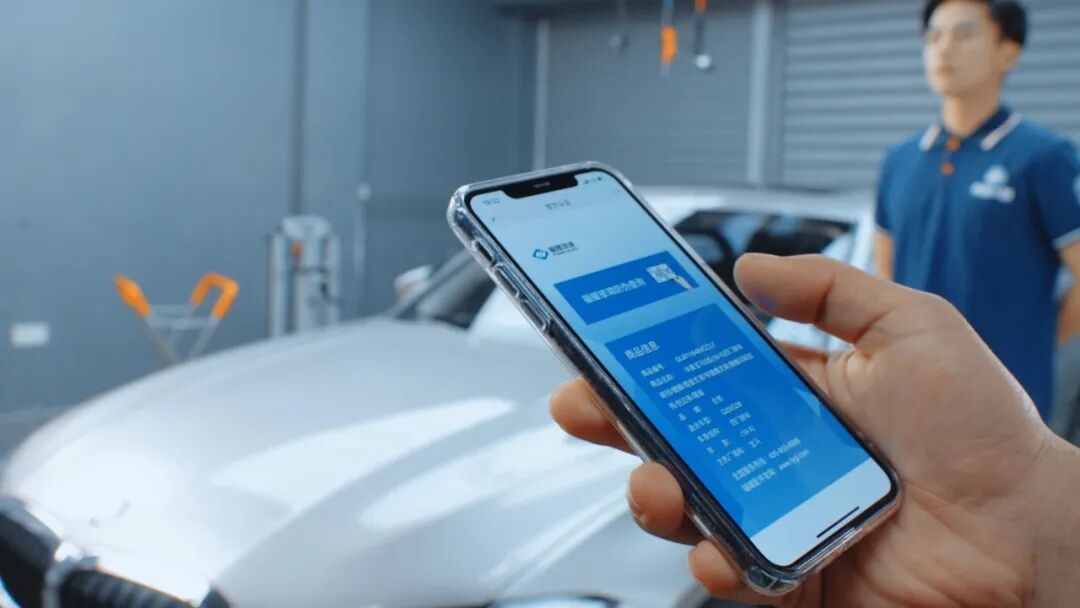
What provides even greater security is that this QR code uses the latest cloud technology and is permanently solidified onto the trademark, making it difficult to forge or damage. When a quality defect occurs, responsibility can be quickly pinpointed. This is why Fuyao has the confidence to promise customers "lifelong responsibility for manufacturing defects".
The value of the CARG system transcends its utility as a glass identification tool. "It's not just anti-counterfeiting; it's responsibility lock-in," says the person in charge of Fuyao's North China regional distributor. "If a leak occurs three years from now, we can directly find out which technician installed it and on what day".
A Global Journey Through Challenges
Fuyao is the first to create a unified, standardized coding system in the Chinese automotive glass market. Looking at the global market, the establishment and refinement of such standards have only taken a few decades, and Fuyao has been a first-hand witness to this history of global industry development.
Tracing Fuyao's business evolution, it initially started with automotive replacement Glass business. The basic strategy for many years has been "equal emphasis on OE and ARG, and complementation between domestic and export markets". However, in the early stages of development, Fuyao's overseas aftermarket business was not yet mature, and the quality perception in domestic factories generally lagged, with the entire industry lacking unified quality standards. Once the company ventured into overseas export, numerous fundamental problems immediately surfaced, such as PVB discontinuity, insufficient transparency at the printing edge, and heat-induced detachment of the base.
The packaging process was a microcosm of this nascent period. When export volume was small, Fuyao even resorted to recycling original packaging boxes. As orders grew, this method became unworkable, forcing them to hire carpenters to cut wood and build boxes for packaging. However, the wood was often damp, and shipping containers would undergo extreme temperature swings during transit—from 50-60°C during the day to below freezing at night. This rapid change caused water droplets to condense on the glass surface. When the goods arrived at the customer, the glass looked as if it had been soaked in water, naturally failing to meet the customer's quality requirements, with predictable results.
Only the fittest can survive. The path to internationalization is not just a brave adventure; it is a long-distance endurance race that tests adaptability. Throughout the 1990s, guided by the philosophy of "turning on the tap" , the sales team continuously transmitted, tracked, and managed the pressure of real market demand, fiercely driving factory improvements.
Curie Chen explains that, formally, sales act as a "matchmaker" connecting the factory and customers. However, in the ARG's operations management, they positioned themselves as the "General Manager" of the entire supply chain, forming a closed-loop system to drive the factory to meet customer requirements with the best methods in the shortest time. It's like turning on a water tap: if the valve is not opened, the other end won't feel the pressure, but once it is opened, the pressure comes rushing, and progress is generated within it.
Of course, even the best operational philosophy requires top-level endorsement. From the very beginning, Chairman Cho Tak Wong firmly supported this direction. It was this support that allowed Fuyao to gradually improve packaging, technology, and quality, step by step opening the door to overseas markets. Overseas sales achieved a "triple jump", carving out a valuable growth curve for Fuyao during its critical growth period.
In May 1994, Fuyao established Fuzhou Wanda Company, initially positioned to serve the overseas aftermarket. By the end of the same year, Fuyao (Hong Kong) Limited was registered to handle the Fuyao Group's import and export business. From then on, Fuyao's overseas market development accelerated, gaining an increasing market share in North America, especially the United States.
Growing through refinement and innovating through pain, Fuyao eventually succeeded. Looking back now, it all seems logical, but only those who experienced it understand that it was through the refining process of the past dozen years that Fuyao and its supply chain partners established a solid relationship of shared growth, which continuously drove their overall capabilities to improve.
Along this global journey, facing wind and rain, Fuyao has delivered products and services worldwide, carrying its brand and culture globally, and winning a broader international network of friends. In the current context of globalization, Fuyao’s thinking has advanced further: Since China, the U.S., and Europe each have their own coding systems, how can they be linked and interoperable?
Fuyao undertook 3D scanning and comparative verification of original glass from the Chinese, U.S., and European markets. This gradually allowed them to connect with the coding systems of major markets, such as the U.S. DOT number and the European ECE certification. This coverage extends to glass numbers for over 80% of the world's vehicle parc, creating a "UN ID card" for global automotive glass and building a common bridge that transcends different market languages.
With the support of standardized data, Fuyao plans to introduce an AI intelligent system in the future. When a customer makes an appointment and glass identification is needed, the AI system can find the corresponding CARG code within 0.01 seconds. For platforms like Edows, this will significantly increase online customer service efficiency, reduce labor costs, and provide enormous operational assistance.
The Ecosystem of Shared Prosperity
"We hope to elevate the standards and efficiency of the Chinese automotive glass aftermarket supply chain to match the highest product value with the lowest total cost," says Curie Chen. This, he believes, will ultimately benefit every participant in the industrial chain.
What exactly does high efficiency mean? It has multiple meanings in the supply chain. Issues such as data errors, sub-standard quality, and operational mistakes all cause losses for distributors and stores in the supply chain, thereby driving up the total cost. These cost black holes are consuming the health of the entire industry, and they are the main targets Fuyao ARG is dedicated to eliminating.
Communication and collaboration between upstream and downstream partners are one of the most obvious costs in the supply chain. From 2018 to 2025, ARG gradually established the domestic Aftermarket Order Management System, the Domestic Distributor Operations Management Platform, and the Domestic Smart Store Management System. These systems help Fuyao Auto Sales, distributors, and stores manage procurement, sales, inventory, and finance for replacement parts, providing support for services that are fast, high-quality, and cost-effective.
Fuyao ARG has completely integrated all nodes along the entire chain, from stores and distributors to the super centers. With a single click for ordering, inventory is clear at a glance, and logistics progress can be tracked in real-time. It is likened to the "Taobao" of the automotive glass industry, showcasing the ultimate in information convenience.
By plugging the "leaks and spills" in the supply chain and maintaining the lowest total cost, Fuyao ARG is also redefining the benchmark for a "high-quality brand". Using the "OE-equivalent quality" standard, it is elevating the product quality of the aftermarket to the same level as the OE supply market.
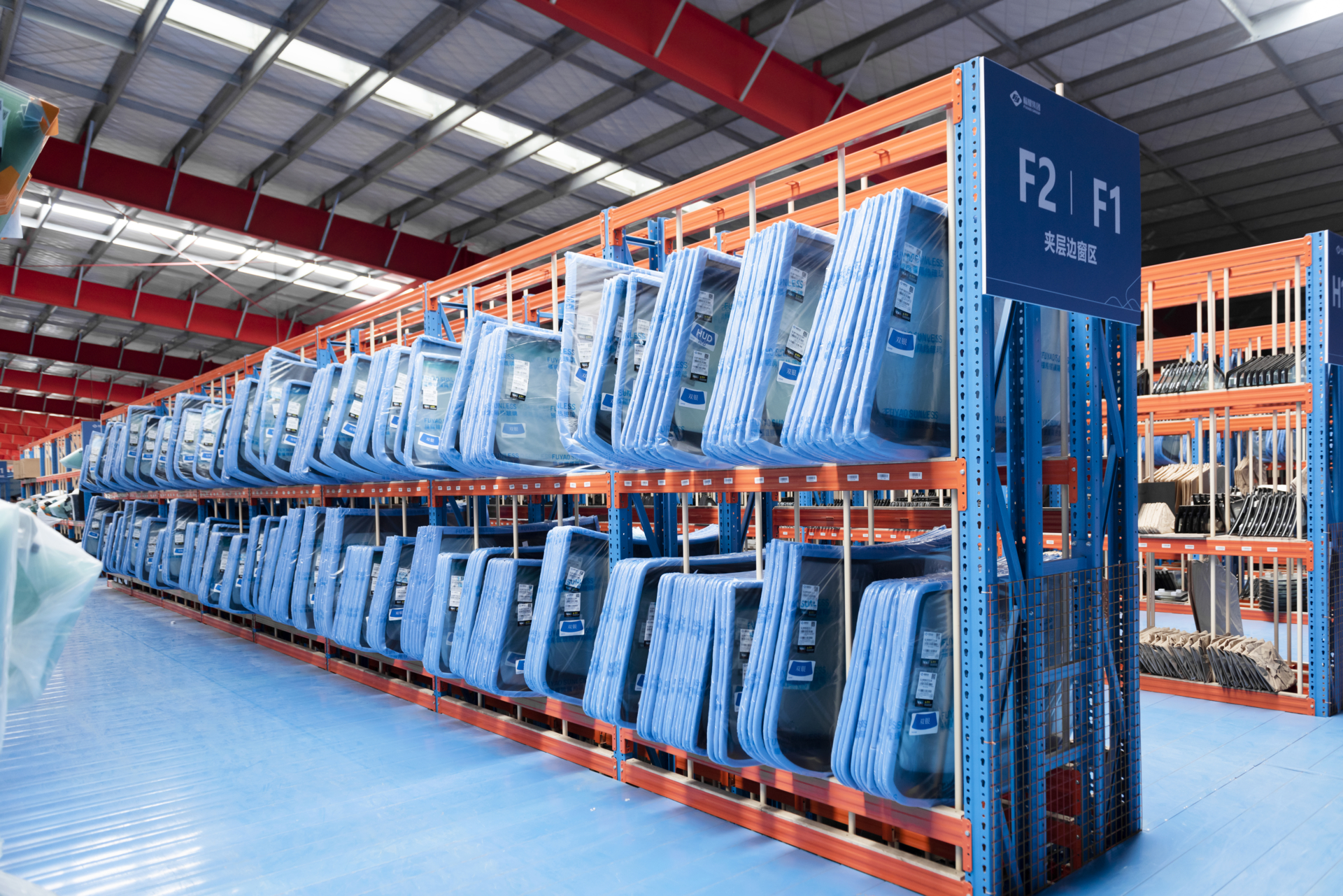
"We perform 3D scanning and modeling on ten pieces of original equipment glass, striving to create the finest of the fine products," states Fuyao ARG. Fuyao ARG strictly adheres to the same design, production, process, inspection, and management standards as the original equipment glass. By using the best equipment, inputting optimal raw materials, and implementing the strictest full-process quality control, they ensure the final product is "infinitely closed" to the original factory design.
As a result: Optimal quality glass reaches the end consumer in a more economical way. Consumers can enjoy OE-equivalent quality products at a more reasonable cost. Stores maximize their service efficiency on every piece of high-value glass. Distributors achieve more stable growth due to improved operational efficiency. Through multi-party win-win and ecological co-prosperity, the aftermarket "pie" continues to grow, forming a closed-loop of supply chain efficiency and quality.
Winning trust and loyalty requires helping partners succeed. This is a commercial reality and aligns with Fuyao's value pursuit of "developing oneself and benefiting the greater good". On the path to building supply chain standardization, Fuyao ARG is diligently working: It has connected the major global automotive glass coding systems, establishing the industry's digital infrastructure. It organizes the CARG & AGTSS National Competition to set a consensus-based foundation for service. The highly efficient supply chain system creates an ecological soft infrastructure for mutual benefit, fostering an environment of co-existence and co-prosperity.
The ultimate purpose of building all this infrastructure is to sow the seeds for the future —a future that is more regulated, fair, and transparent. This future belongs to Fuyao and to every partner who leverages this platform to climb and grow upward.
Graphics & Text | Fan Bibo, Li
Tao, Yi Yulu, Lin Xintong, Chen Yuan
Planning | Liu Kun, Zhan Tuorong,
Kang Huibin, Zheng Bixia